7 Signs You Need a Professional Handyman
A professional handyman is the right choice when a home repair involves safety risks, hidden damage, specialized tools, or multiple trades. Warning signs include recurring leaks, unsafe electrical work, structural concerns, difficult installations, and repairs that remain unfinished after a DIY attempt. Professional help protects your home, time, and budget.
Why should you hire a professional handyman?
DIY projects can be satisfying, but not every repair is a good weekend experiment. A professional handyman brings practical experience across carpentry, drywall, painting, flooring, doors, trim, tile, and general home repairs. That broader knowledge helps identify the real source of a problem instead of covering up a symptom.
For homeowners in the Lake Norman area, hiring a dependable local professional also means getting help that fits the home’s age, materials, and specific needs. A small repair may reveal moisture damage, poor installation, or an issue that needs another specialist.
If you are unsure where to start, review the complete range of handyman and home improvement services available for projects large and small.
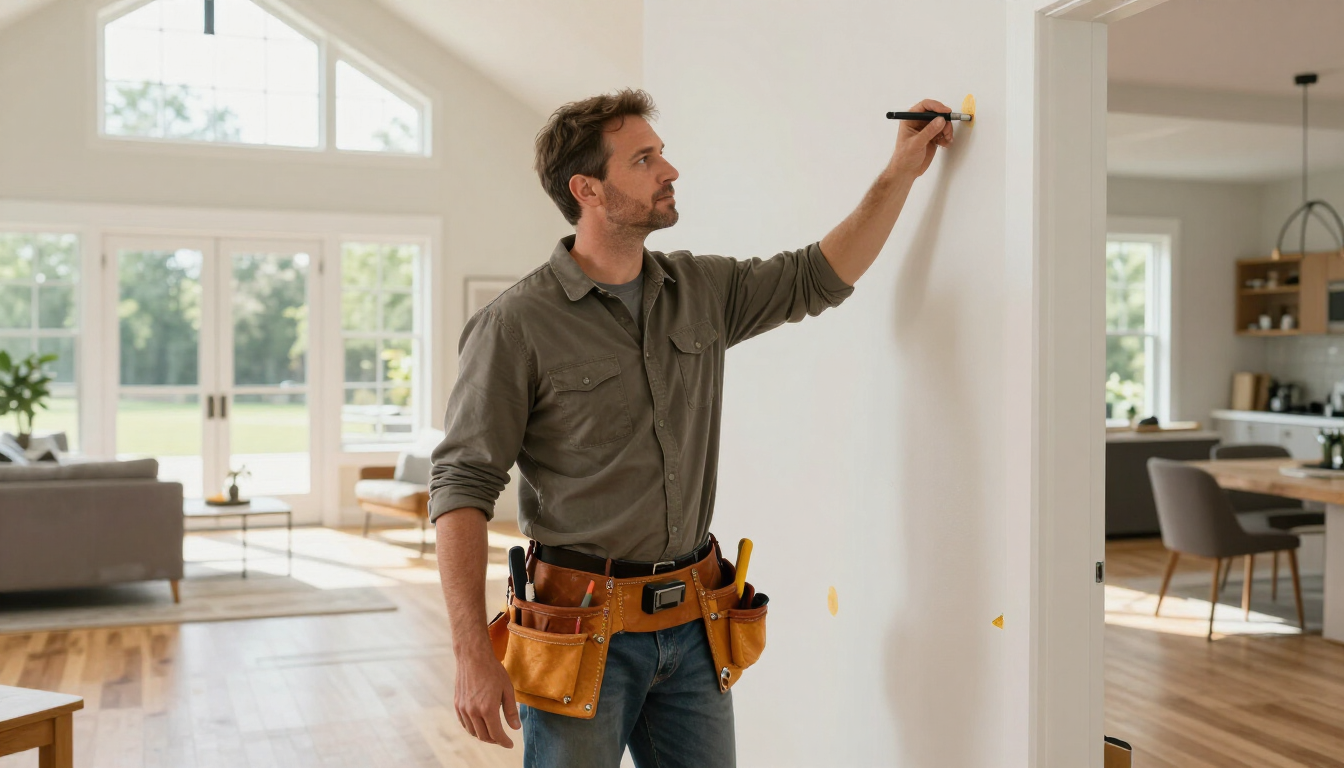
1. The repair involves electrical, plumbing, or structural safety
Some tasks should never be approached casually. Exposed wiring, overloaded circuits, gas-related concerns, major plumbing leaks, damaged support beams, and unstable stairs can create immediate danger. Even if the visible issue looks minor, the underlying problem may be more serious.
A handyman can assess related home repairs and explain what should be handled by a licensed electrician, plumber, or structural professional. In many cases, a handyman can safely complete surrounding work, such as repairing drywall after a leak, replacing trim, or restoring surfaces after an approved repair.
Stop and seek professional guidance if you notice:
- Burning smells, sparks, buzzing outlets, or warm switches
- Active water near electrical fixtures
- Sagging ceilings, cracked structural areas, or loose stair components
- Mold-like odors or damage that keeps spreading
2. A leak, crack, or damaged area keeps coming back
Repeated repairs are a strong sign that the surface problem is not the real problem. A ceiling stain may point to a roof or plumbing leak. A recurring drywall crack could relate to movement, moisture, or poor installation. Loose tile may result from an unstable or improperly prepared subfloor.
Painting over stains or applying another patch may make the area look better temporarily, but it can waste materials and delay the right solution. A professional handyman can inspect the surrounding area, document what is visible, and recommend the next practical step.
This is especially important before selling a home or completing a larger remodel. Resolving the source early can prevent a small repair from becoming extensive water or material damage.
Common repair categories homeowners should not rush
Not every project requires the same expertise. Consider professional help when a repair includes one or more of these conditions:
- Height or access: Roofline trim, tall walls, heavy doors, or awkward spaces can create fall and lifting risks.
- Precision installation: Doors, windows, tile, flooring, and built-ins must be measured and installed correctly.
- Multiple materials: Repairs involving drywall, paint, trim, fasteners, and flooring require a coordinated finish.
- Visible final results: Finish carpentry and painting expose uneven cuts, gaps, and surface defects.
- Potential hidden damage: Moisture, pests, rot, or movement may be present behind a surface.
3. You cannot identify the cause of the problem
When a home issue is difficult to explain, guessing can lead to unnecessary expense. For example, a sticking door may be caused by humidity, settling, loose hinges, a damaged frame, or flooring installed too high. Each cause requires a different fix.
An experienced handyman starts with observation and diagnosis before recommending materials. That approach is useful for homeowners who have noticed several connected problems, such as doors that no longer close, trim pulling away from the wall, and cracks appearing near windows.
A clear assessment can also help you decide whether the work belongs in a handyman’s scope or should be referred to another licensed professional.

4. The project requires specialized tools or precise installation
Some repairs look simple until you begin. Replacing a door requires correct measurements, hinge alignment, shimming, latch adjustment, and weather sealing. Installing flooring requires careful layout, transitions, cuts, and attention to the subfloor. Tile work depends on surface preparation, spacing, leveling, and appropriate adhesive.
The wrong tool or technique can damage materials and create more work. Professional handyman services are often more cost-effective than buying equipment for a single project, learning through trial and error, and then paying to correct an installation.
Ask for help when the finished result needs to be durable, level, properly sealed, or visually consistent with the rest of your home.
5. You are planning a long list of small home repairs
A collection of small projects can become a major time drain. Replacing damaged trim, patching drywall, adjusting doors, touching up paint, installing shelves, and repairing flooring may each take only a few hours—but together they can occupy several weekends.
A professional handyman can organize a punch list, group related tasks, and work efficiently with the right supplies. This is helpful before guests arrive, after moving into a new home, or when preparing a property for sale.
Create a short list before requesting an estimate. Include photos, approximate dimensions, the location of each repair, and any known history of leaks or previous work. Clear information helps a professional understand the project and provide more useful recommendations.
6. The repair affects energy efficiency or weather protection
Gaps around windows and doors, damaged caulk, missing trim, and poorly sealed penetrations can allow drafts and moisture into your home. These issues may raise energy costs, damage finishes, and make rooms uncomfortable.
Window replacement, door installation, exterior trim, and weatherproofing require careful preparation. A professional can check fit, alignment, flashing or sealant conditions, and the surrounding materials. If replacement is needed, the installation should protect both the appearance and performance of the home.
Do not ignore drafts, water intrusion after storms, soft wood, peeling paint near openings, or daylight visible around a closed exterior door.
How do you choose the right handyman?
Look for a provider who communicates clearly, describes the work in writing, and is comfortable explaining what is and is not included. Trustworthy service should make it easier to understand the repair—not pressure you into work you do not need.
Before scheduling, ask:
- Have you completed similar repairs before?
- What materials or access will the project require?
- How will you protect nearby floors, furniture, and finishes?
- What happens if hidden damage is discovered?
- Can you provide a clear estimate and expected timeline?
Review examples of completed work in the projects portfolio or photo gallery to evaluate finish quality and the types of repairs handled.
What should you do before the handyman arrives?
A little preparation can make the visit more productive and help prevent surprises. Take well-lit photos of the repair from close up and from farther away. Note when the issue started, whether it changes with weather or use, and what attempts have already been made.
You should also:
- Clear furniture, decorations, and stored items from the work area
- Identify nearby water shutoffs, electrical panels, or access points
- Save product information for existing flooring, paint, tile, or fixtures
- Mention pets, parking limitations, gate access, and preferred communication
- Keep children away from tools and active work zones
For questions about scheduling or your specific repair list, visit the contact page . You can also learn more about the team’s approach on the About page .
The bottom line
The clearest signs you need a professional handyman are safety concerns, recurring damage, difficult diagnosis, specialized installation, and a growing list of unfinished repairs. Professional help is particularly valuable when the work affects doors, windows, drywall, trim, flooring, tile, paint, or moisture protection. Start by documenting the problem, gathering related repairs into one list, and asking for a clear evaluation. For Lake Norman homeowners, choosing an experienced, communicative provider can save time, reduce repeat fixes, and help your home look and perform its best.
Recent Posts